

Service Detail
Vessel Traffic Management
The Digital Port Call — Start to Finish
A port call involves dozens of coordinated actions across multiple organizations, the shipping agent files pre-arrival documents, the harbour master allocates a berth, the pilot boards the vessel, tugs are deployed, cargo operations begin, customs and health clear the crew, dues are paid, and departure is approved. When any of these steps is managed in isolation, on a spreadsheet, by phone, or on paper, the entire chain is vulnerable to delay.
PortVerse Vessel Traffic Management integrates every one of these steps into a single digital workflow. Vessel registration, pre-arrival intimation, berth scheduling, pilotage coordination, and departure clearance all happen within PortVerse, with every party seeing the same data, in real time, with automatic notifications at every transition point.
Vessel Registration
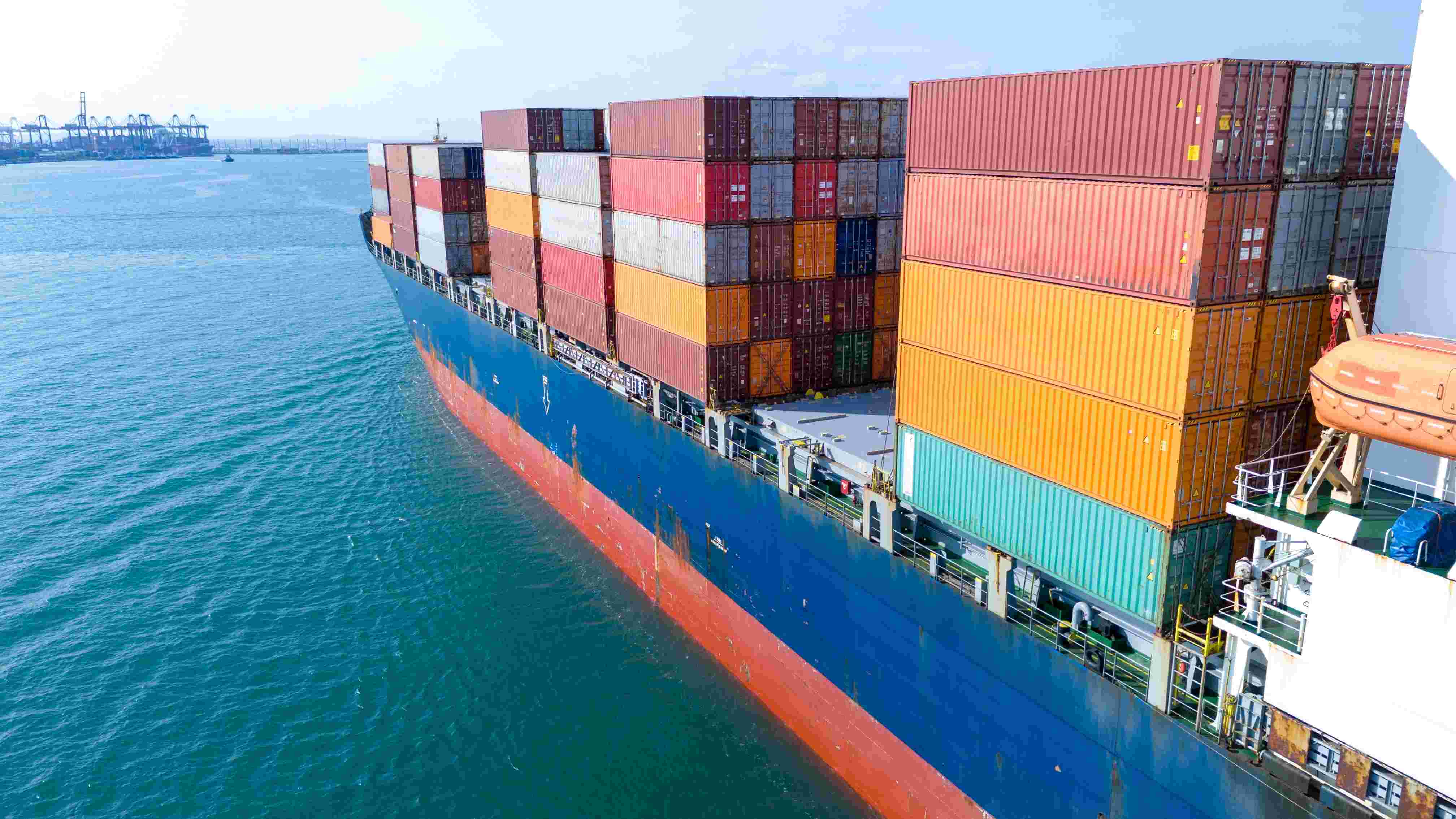
Every vessel intending to call at a PortVerse-managed port is registered once in the PCS, creating a verified digital profile that persists across all subsequent port calls. This master record eliminates the repetitive submission of the same vessel particulars on every arrival and provides port authorities with an instant, validated view of any vessel's documentation status at any time, including certificate validity, classification society details, and Port State Control inspection history.
Registration is a one-time process for the vessel owner or manager, after which agents acting for that vessel in any port can access the pre-populated profile for their port call submissions. Certificates approaching expiry trigger automatic renewal reminders, ensuring vessels are never caught with lapsed documentation at the time of arrival.
- Full vessel particulars
- Certificate repository
- Classification society details and survey due dates with automated expiry alerts
- Crew list template linked to vessel profile, updated per voyage without re-entering static crew data
- Port State Control inspection history and outstanding deficiency tracking
- Beneficial ownership and operator details for regulatory and security screening
Vessel Intimation Report (VIR)
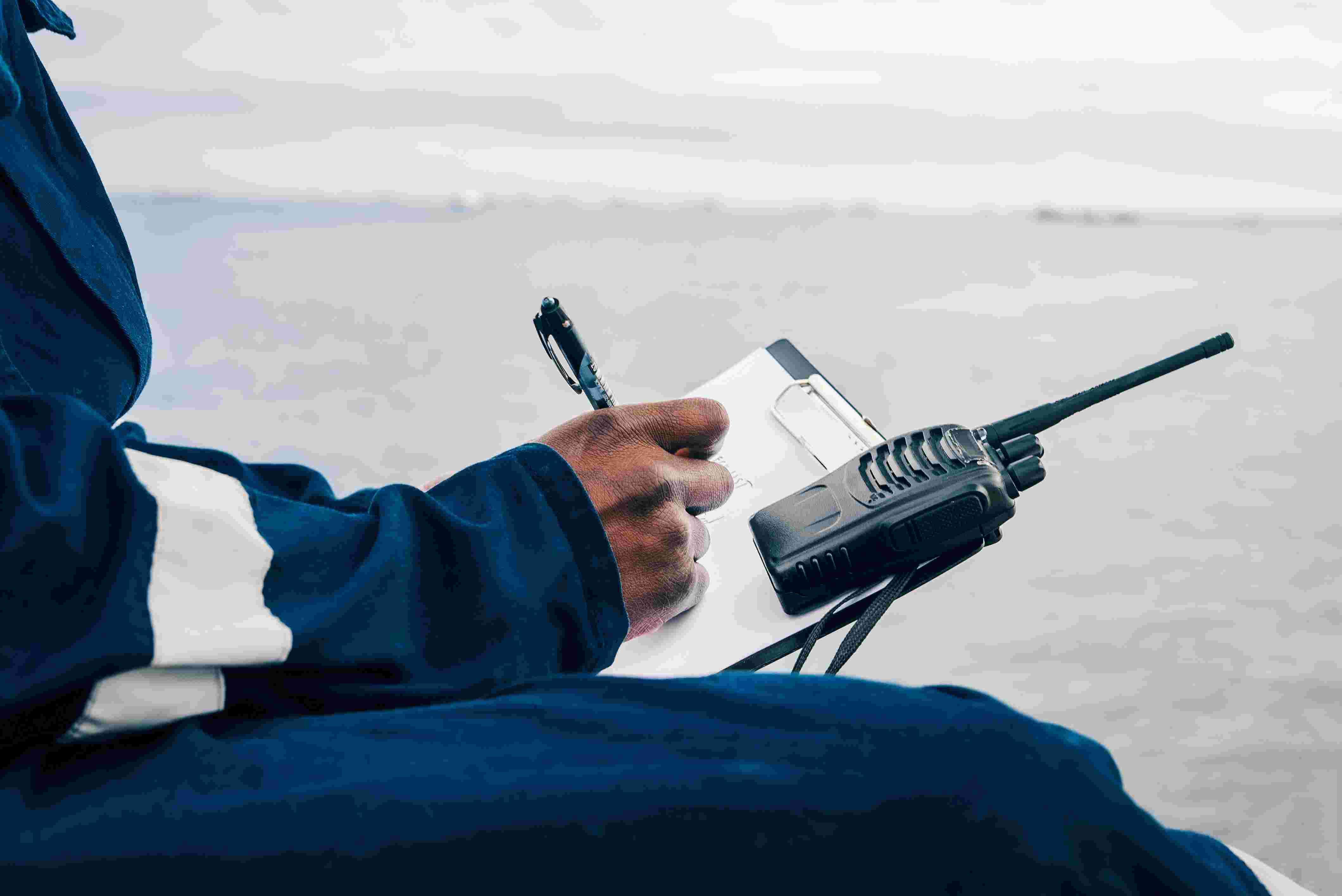
The Vessel Intimation Report (VIR) is the formal notification that a vessel is enroute to port, the trigger that sets the entire port call preparation in motion. Under the paper-based system, VIRs were submitted by fax or email, manually entered into port records, and distributed to relevant authorities through phone calls and printed memos. Delays in VIR processing directly delayed berth allocation, customs risk assessment, and health authority preparation.
PortVerse automates the entire VIR process. The shipping agent submits the intimation digitally through PCS at the 96, 48, and 24-hour marks. The system validates the submission, updates the vessel's ETA in the live port schedule, and automatically notifies all relevant authorities and service providers, harbour master, customs, Port Health, terminal operator, pilot station, and tug services, simultaneously.
Vessel Scheduling & Status
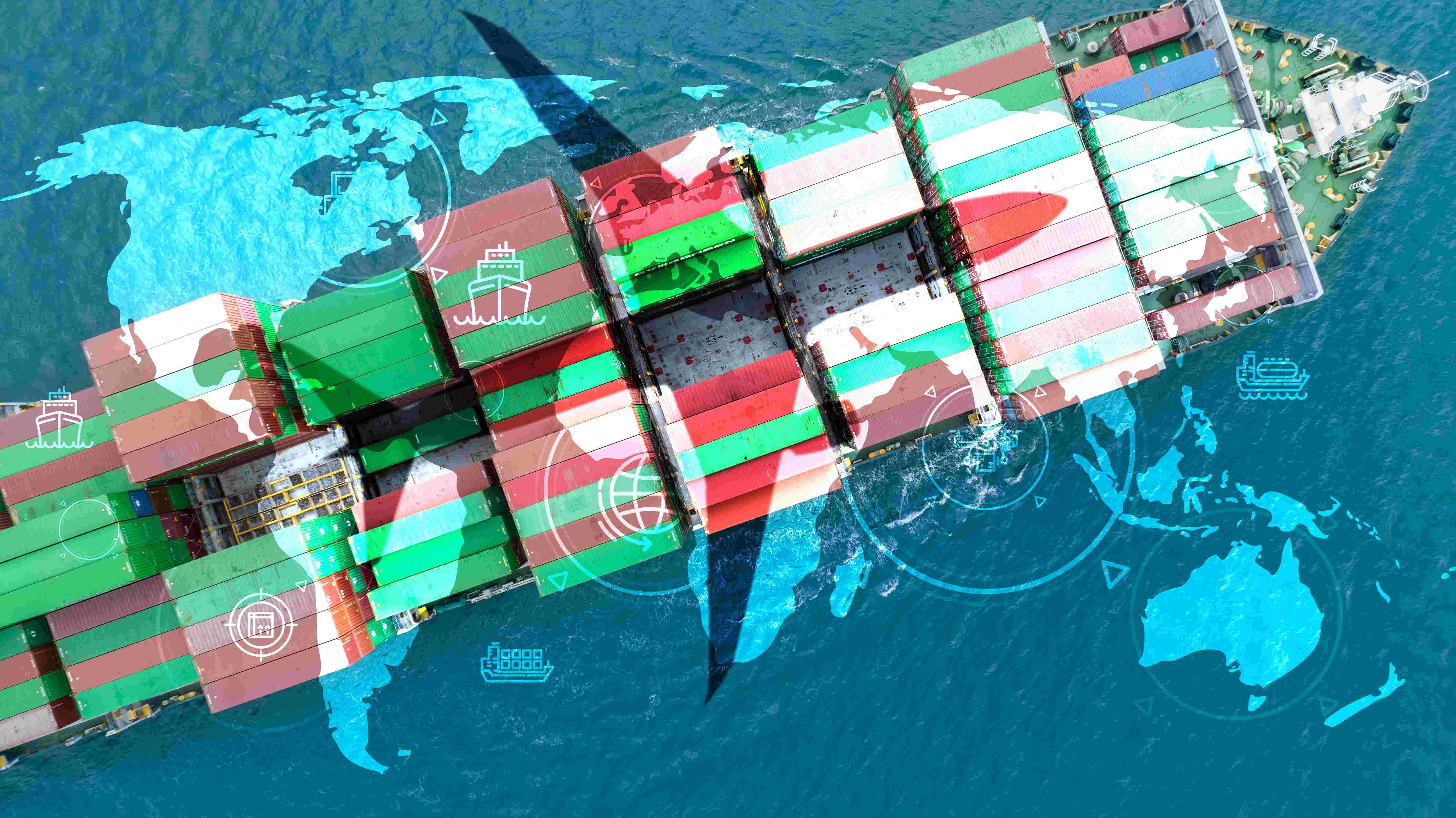
A double-booking, a miscommunicated departure delay, or an unanticipated draft restriction can fall into hours of congestion that cost operators and port authorities far more than the original delay. PortVerse's scheduling engine replaces the whiteboard and the spreadsheet with a dynamic, conflict-aware digital planning tool that optimizes the entire berth allocation process in real time.
Every new VIR triggers an automatic scheduling proposal based on declared cargo type, vessel dimensions, required handling equipment, and tidal windows. Human planners review and confirm allocations on an interactive berth planner, but the system has already checked for conflicts, equipment clashes, and operational constraints before presenting the options.
Benefits of having it

Interactive Berth Planner
Drag-and-drop visual berth allocation tool showing all berths, current occupancy, confirmed bookings, and vessel queues, with real-time conflict highlighting.

Tide & Draft Intelligence
Tidal data integrated with vessel draft requirements, the system will not propose an allocation that places a deep-draught vessel at a shallow berth during a low-tide window.
Equipment Allocation
Cranes, RTGs, and handling equipment are allocated alongside the berth booking — ensuring the right gear is available when the vessel arrives, not assembled at the last minute.

Conflict Auto-Detection
Every new booking is validated against all existing allocations. Conflicts, double-booked berths, equipment clashes, tidal constraints, are flagged immediately with resolution suggestions.
Priority Vessel Lanes
Defined priority protocols for tankers, naval vessels, government ships, and emergency arrivals, system enforces priority allocation rules without overriding other bookings blindly.

Real-Time Status Notifications
All schedule changes, delays, re-allocations, equipment changes, are automatically pushed to all affected parties via PCS dashboard, SMS, and email the moment they occur.
Vessel Arrival, Departure, & Pilotage
The moments of a vessel's arrival at and departure from a port are operationally intensive, pilot boarding, tug deployment, mooring, cargo operations commencement, OGA inspections, dues settlement, final clearance. Each step has dependencies. Miss one and the vessel sits.
PortVerse coordinates every element of arrival and departure through the PCS. Pilot boarding requests, tug deployment orders, berth confirmation, OGA inspection scheduling, and departure clearance are all issued and tracked from a single operations dashboard, with the harbour master maintaining a live, complete picture of every vessel in movement.
- Digital Notice of Arrival (NOA) processing with automatic authority notification
- Pilot boarding request and assignment through PCS, pilot station notified instantly on VIR acceptance
- Tug request, deployment order, and harbour craft coordination from operations dashboard
- OGA inspection scheduling linked to vessel arrival timeline, health, immigration, customs, and FIA coordinated automatically
- Port dues, pilotage fees, and tug charges auto-calculated on berthing confirmation
- Departure clearance checklist, all OGA approvals, dues payments, and cargo completion verified before clearance issued
- Complete port call event log: every action timestamped, attributed, and archived