
About Us
PortVerse, the Port Community System (PCS) of Pakistan Single Window (PSW), is transforming Pakistan’s maritime trade ecosystem through integrated digital solutions. It connects ports, government agencies, terminal operators, shipping lines, and other stakeholders to enable seamless information exchange, improve coordination, and enhance the efficiency of port and maritime operations.
Aligned with PSW’s digital trade transformation agenda, PortVerse is modernizing maritime processes through greater integration, automation, and transparency. By creating a connected and paperless environment for port operations and trade facilitation, PortVerse is helping build a more efficient and digitally integrated maritime trade ecosystem in Pakistan.
Vision
PortVerse envisions a future where global trade and logistics are seamlessly integrated through innovation and technology. As a leader in digital transformation within Pakistan's maritime sector, PortVerse is committed to enhancing coordination and collaboration to minimize vessel turnaround times.
By centralizing information into a single submission process, PortVerse creates a unified source of truth, streamlining operations and advancing data-driven governance.
Goal
PSW's Port Community System (PCS) is built around a set of core goals that collectively drive the modernization of Pakistan's maritime and trade ecosystem. These goals reflect a shared commitment to efficiency, transparency, and digital innovation, ensuring that all port stakeholders can operate within a connected, streamlined, and data-driven environment.

Drive Digital Transformation
Transform port operations through automation, streamlining processes, and reducing turnaround times. Significantly enhance trade and logistics effectiveness, driving digital evolution in the maritime sector.

Simplify and Automate Processes
Offer a centralized platform for submitting all necessary documentation, simplifying administrative tasks, and automating key functions like cargo tracking and vessel scheduling to reduce manual errors and processing delays.

Foster Seamless Integration
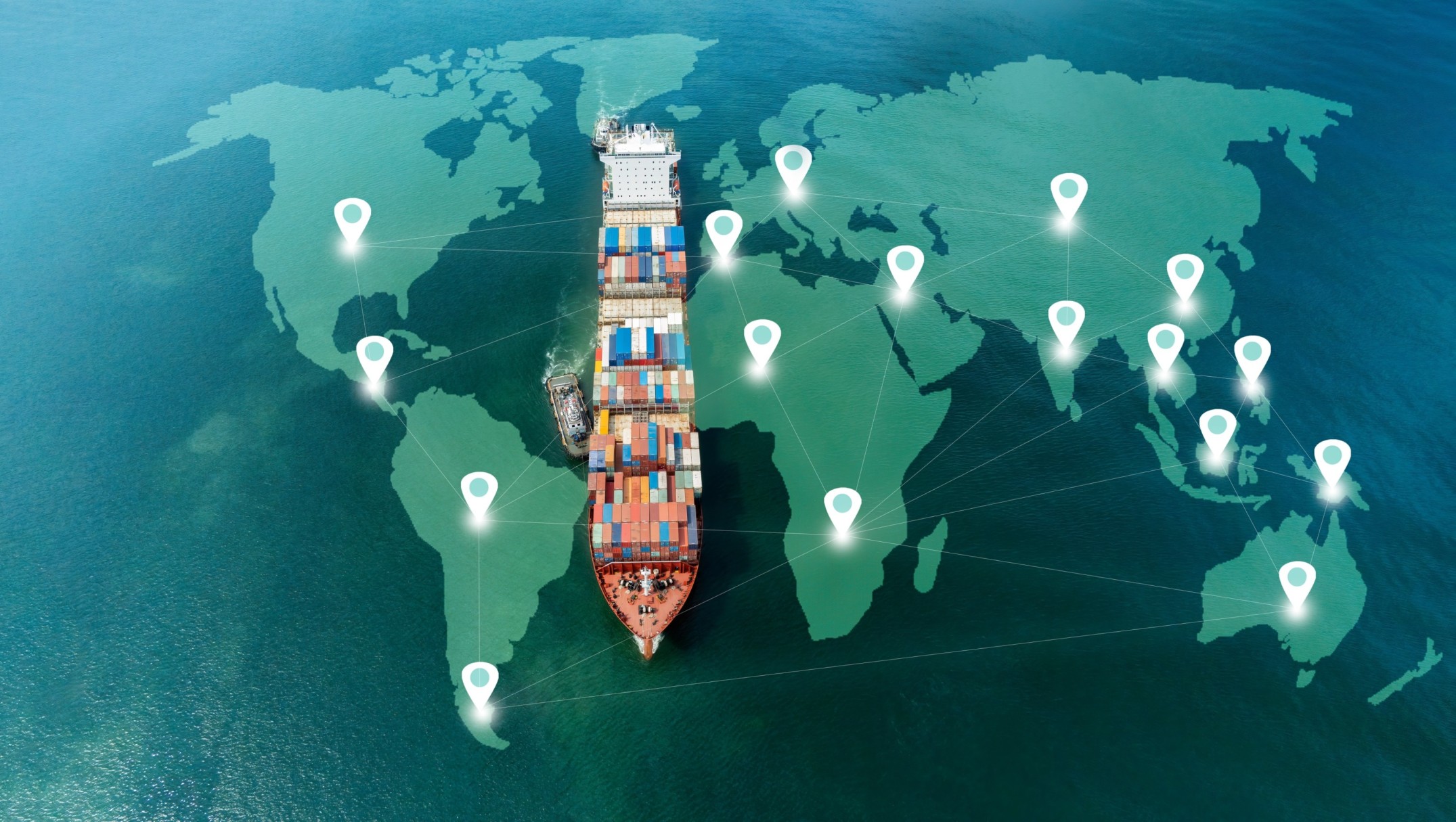
Build and sustain a unified digital network that connects all port stakeholders—such as shipping lines, terminal operators, customs, and logistics providers—to ensure smooth and coordinated operations

Enable Real-Time Data Exchange
Facilitate the exchange of real-time data among various entities to enhance decision-making, improve operational coordination, and ensure timely responses to changing conditions.
As part of commitments under the World Trade Organization Trade Facilitation Agreement 2015, Pakistan established the National Single Window (NSW) framework as a Category C obligation. To implement this commitment, the Government of Pakistan enacted the Pakistan Single Window Act 2021, under which the Pakistan Single Window (PSW) Company was formed to operate the NSW system in collaboration with 77 public sector organizations involved in cross-border trade. The system enabled streamlined data exchange, electronic payments, communication, and cargo clearance through a unified digital platform, improving efficiency, compliance, and transparency.
Within this ecosystem, PortVerse, Port Community System (PCS) of Pakistan, was introduced as a core digital component to integrate and optimize port and logistics operations, enabling real-time coordination and seamless information exchange among all stakeholders.
A comprehensive study was conducted to define the implementation pathway for PortVerse, including stakeholder consultations in Islamabad and Karachi with key institutions such as the Federal Board of Revenue and the World Bank. The analysis identified that WeBOC served as the primary customs system, while broader port operations remained fragmented and largely paper-based, limiting efficiency and data sharing.
Based on this assessment, three implementation scenarios were developed, ranging from basic cargo clearance integration to a full-scale PortVerse covering cargo and non-cargo operations, such as vessel movements and dangerous goods reporting in line with international standards.
The roadmap recommended a phased rollout starting with pilot initiatives such as digitalizing container weighing processes to build confidence and demonstrate value. Stakeholder feedback strongly supported an integrated digital system, highlighting benefits such as improved efficiency, reduced paperwork, enhanced transparency, and significant time and cost savings.
Prior to the implementation of PortVerse, Pakistan's port and logistics sector faced a range of deep-rooted structural and operational challenges. These issues not only hindered the efficiency of day-to-day port operations but also created significant barriers to trade facilitation and stakeholder coordination.
The following key challenges underscored the urgent need for a unified, technology-driven solution:
Fragmented and Manual Port Operations
Port processes relied on paper-based and manual procedures, resulting in duplication of documentation, processing delays, and reduced operational efficiency.

Limited Stakeholder System Integration
Customs authorities, terminal operators, shipping lines, freight forwarders, and logistics providers operated on disconnected systems, limiting coordination and workflow integration.
Absence of a Unified Digital Platform
No centralized system existed to enable standardized data exchange and seamless coordination across port and logistics stakeholders.
Limited Real-Time Information Sharing
Restricted access to real-time data reduced operational transparency, affected monitoring, and delayed decision-making processes

Operational Inefficiencies and Cost Impact
Inefficient processes led to extended cargo handling times, port congestion, and increased operational costs, including demurrage and storage charges.
PortVerse serves a diverse network of stakeholders, each playing a critical role in the smooth functioning of Pakistan's port and trade ecosystem. These groups are directly engaged with the platform, benefiting from streamlined processes, improved coordination, and real-time data exchange.
The key stakeholder groups connected through the system include:






PortVerse is a centralized digital innovation system designed to modernize Pakistan’s port and trade ecosystem by connecting all stakeholders on a unified platform. It enables secure, real-time information exchange, automates key workflows, and strengthens coordination across the maritime trade value chain.

Faster Trade Processing
PortVerse accelerates cargo clearance and approval processes by digitalizing and automating key trade workflows. Manual documentation is replaced with structured digital submissions and validations, reducing processing time, easing port congestion, and enabling faster movement of goods across the supply chain.

End-to-End Visibility
The system provides real-time visibility of cargo, vessel movements, and regulatory approvals across all stages of the trade process. This transparency helps stakeholders track shipments accurately, reduce uncertainty, and make more informed and timely operational decisions.

Improved Operational Efficiency
By integrating all port stakeholders into a unified digital platform, PortVerse eliminates fragmented systems and repetitive processes. This streamlines documentation handling, cargo processing, and approvals, leading to smoother coordination, reduced delays, and better utilization of operational resources.

Reduced Cost and Delays
PortVerse minimizes inefficiencies that lead to demurrage, storage charges, and administrative costs. Faster processing and improved coordination reduce idle time for cargo at ports, directly lowering operational expenses for traders, logistics providers, and port authorities.

Stronger Stakeholder Coordination
The platform connects all key stakeholders, including customs, regulators, shipping lines, freight forwarders, terminal operators, and transporters on a single system. This ensures seamless communication, real-time data sharing, and synchronized operations across the entire port ecosystem

Enhanced Compliance and Decision Making
PortVerse standardizes regulatory workflows and strengthens compliance through digital documentation, validation, and audit trails. At the same time, real-time data and analytics support better planning, improved governance, and more efficient, data-driven decision-making across port operations.
PortVerse is designed to work in coordination with key government agencies (OGAs) involved in regulating, facilitating, and overseeing cross-border trade. These institutions collectively support compliance, approvals, certifications, and coordinated decision-making across Pakistan's port and trade ecosystem.
Coordinating Agencies