
Service Detail
E-Delivery Order (E-DO)
The Final Paper in the Chain Eliminated
In a typical cargo release under the paper-based system, a freight agent physically collects an original Bill of Lading from the importer, delivers it to the shipping line's office to obtain a paper Delivery Order (DO), then physically couriers that DO to the terminal, all during office hours, all at the mercy of traffic, office queues, and human processing speeds. A vessel arriving on Thursday afternoon might not have its cargo available for collection until the following Monday.
PortVerse E-DO replaces this entire physical chain with a seamless digital workflow. From the moment a B/L is electronically surrendered or endorsed, the system generates and transmits the E-DO to the terminal automatically, and the cargo is ready for release. The entire process takes minutes, not days, and runs around the clock.
Real-Time Data Exchange with Terminals & Carriers
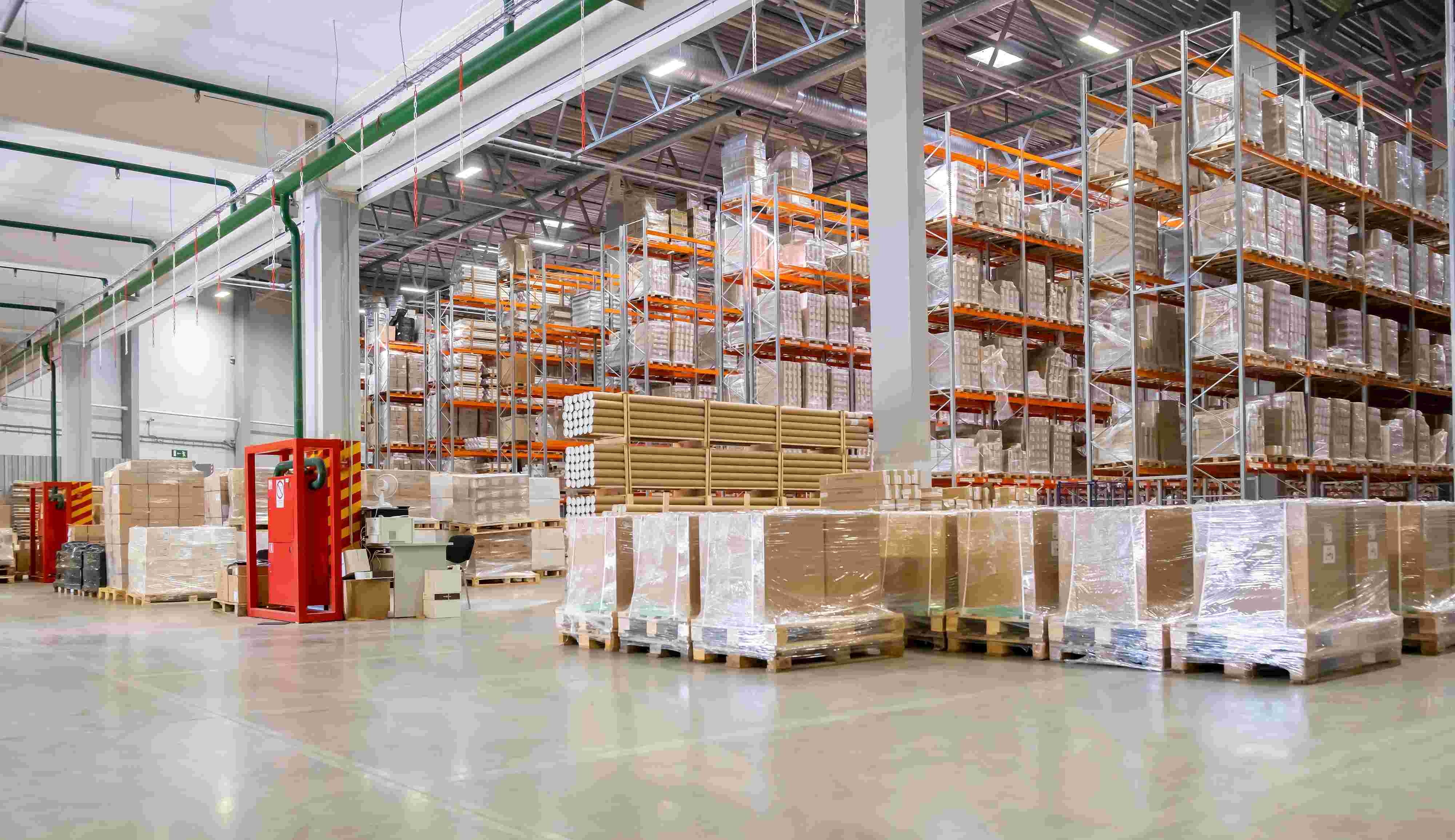
PortVerse integrates directly with terminal operating systems (TOS) via API, meaning the moment an E-DO is issued in PortVerse, it appears in the terminal's system simultaneously. There is no manual data re-entry, no fax, no email.
Carrier systems are connected via standardised EDI and XML interfaces, the same protocols used by major shipping lines globally, working seamlessly regardless of whether cargo arrives on a local feeder or a major alliance vessel.
- Direct API integration with terminal operating systems, E-DO transmitted in real time, not in batches
- Carrier connectivity via EDIFACT, XML, and REST API, major shipping lines supported natively
- Automated E-DO issuance triggered by B/L surrender confirmation, no manual issuing step required
- Multi-terminal E-DO validity, one E-DO recognized across all PortVerse-connected terminals
- Discrepancy detection: cargo quantity, container number, or consignee mismatches flagged automatically
- Real-time hold management, customs, port health, or carrier holds applied and released digitally
Electronic Intimation of Bill of Lading Endorsement
The Bill of Lading is the document of title in international trade, the instrument that determines who has legal ownership of the cargo. Its endorsement has traditionally required the physical exchange of an original paper document, creating a bottleneck that is simultaneously slow, expensive, and vulnerable to fraud and loss.
PortVerse digitalizes the B/L endorsement process using PKI-based digital signatures that carry the same legal force as a wet-ink endorsement under Pakistan's Electronic Transactions Ordinance 2002, sending immediate electronic intimation to all relevant parties the moment an endorsement is executed.

No Clocks. No Queues. No Waiting.
PortVerse E-DO is fully automated: no office hours, no staff dependency, and no delays caused by the time of day or day of the week. An importer whose cargo is ready for release at midnight on a Friday receives the E-DO and can arrange collection for early Saturday morning, without waiting for Monday.
This round-the-clock capability is a direct, measurable reduction in cargo dwell time, one of the primary cost drivers in port logistics.
Key Capabilities Built for Round-the-Clock Operations

No Business Hours Dependency
E-DO issuance, transmission to terminal, and gate release confirmation all run on fully automated workflows, no human staff action required at any point in the release chain.

Weekend & Holiday Continuity
E-DOs issued and terminal instructions transmitted on weekends, public holidays, and during night shifts. Cargo release is gated only by customs clearance, never by office availability.
Instant Stakeholder Alerts
Every E-DO event, issuance, terminal confirmation, gate release, triggers automatic notifications to importer, agent, and trucker via PCS dashboard, SMS, and email.
Individually Maintained History of Each E-DO Processed
Every E-DO processed through PortVerse has its own complete, immutable lifecycle record, from the moment the B/L was surrendered to the moment the cargo left the terminal gate. It is an individually maintained case file for each delivery order, containing every event, every amendment, every communication, and every document associated with that specific cargo release.
Retained for seven years, accessible on demand by authorized parties, and serving as the evidentiary basis for cargo disputes, post-clearance customs review, and trade finance reconciliation.
- Individual E-DO case file: issuance, amendments, endorsement events, holds, releases, all timestamped
- Searchable by B/L number, container number, vessel name, vessel call, importer, or date range
- On-demand export as PDF, Excel, or XML for audits, disputes, and trade finance documentation
- Access controls, the importer sees their cargo, the terminal sees their gate events, customs sees clearance status
- Tamper-evident storage, any attempt to alter a record is cryptographically detectable
- 7-year retention as required by Pakistan Customs regulations for post-clearance audit purposes