

Service Detail
Maritime Single Window
One Submission. Every Authority. Cleared
The Maritime Single Window is the cornerstone of PortVerse, Pakistan's Port Community System. Built in direct compliance with IMO Resolution FAL.12(46), which mandates that all contracting governments establish a single window for electronic data exchange at ports, PortVerse replaces the fragmented, paper-based submission process with a single digital interface that serves agents, operators, vessel masters, and government authorities alike
Where a ship's agent once had to prepare and submit separate documents to customs, port health, immigration, and port authority offices, often physically, often during business hours only, PortVerse consolidates everything into one secure, validated, timestamped submission that routes automatically to every authority simultaneously.
FAL Forms (1–7)
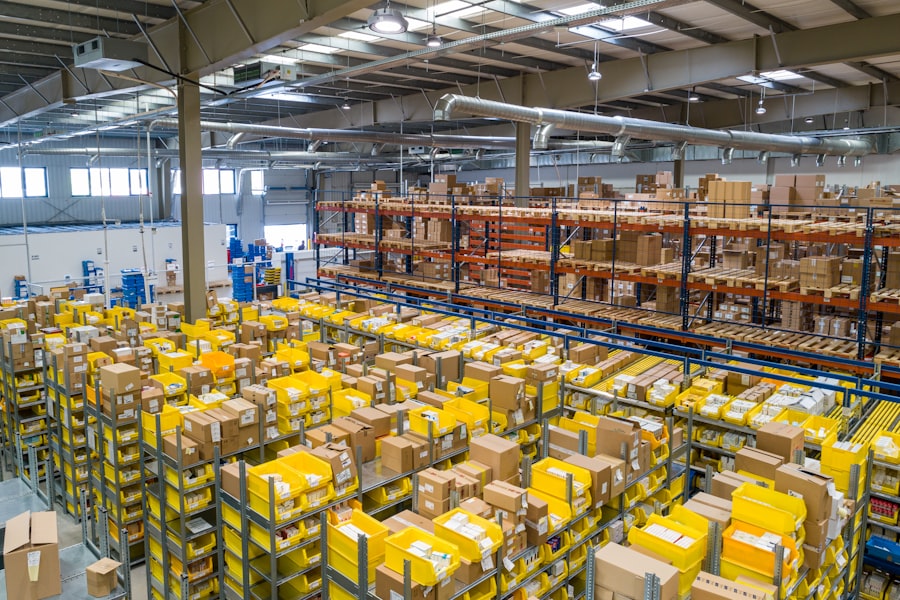
The IMO Facilitation Convention prescribes seven standardized forms that every vessel must complete when calling at an international port. Together, they cover every aspect of a port call, the vessel itself, its cargo, its stores, its crew, and any special cargo categories. PortVerse digitalizes all seven, with smart pre-fill from the vessel's registered profile and real-time validation against IMO formatting requirements before submission.
Agents no longer prepare seven separate documents across different formats. Every form is completed within the same PortVerse interface, in the same session, with shared data auto-populated across forms wherever the same field appears. Submissions are timestamped, digitally signed, and immediately routed to all relevant authorities.
- FAL 1 — General Declaration: Vessel identity, voyage details, port of call, and master's declaration, auto-populated from vessel registration profile.
- FAL 2 — Cargo Declaration: Complete manifest of all cargo on board, cross-validated against the eManifest submission
- FAL 3 — Ship's Stores Declaration: Inventory of consumable stores on board, with quantities and intended use declared
- FAL 4 — Crew's Effects Declaration: Personal items and dutiable goods carried by crew members, reviewed by customs.
- FAL 5 — Crew List: Full crew manifests with nationalities, ranks, and STCW certification numbers, routed to FIA and Mercantile Marine.
- FAL 6 — Passenger List: Applicable for passenger vessels; routed to immigration and port health authorities.
- FAL 7 — Dangerous Goods Manifest: IMDG-classified hazardous cargo declaration, triggering specialized handling and safety workflows.
e-Manifest & Bill of Lading Filing
The cargo manifest and Bill of Lading are the foundational documents of international trade, the legally binding records of what is on board, who owns it, and where it is going. Traditionally submitted on paper and physically couriered between agents, carriers, customs brokers, and port authorities, these documents were a primary source of delay, error, and fraud in the port clearance process.
PortVerse's e-Manifest and B/L Filing module digitalizes the entire documentary workflow. Cargo manifests are submitted electronically before vessel arrival, automatically cross-validated against Pakistan Customs' risk management system, and made available in real time to all authorized parties, shipping line, agent, terminal, and authority, without a single sheet of paper changing hands.

Dangerous Goods Declaration.
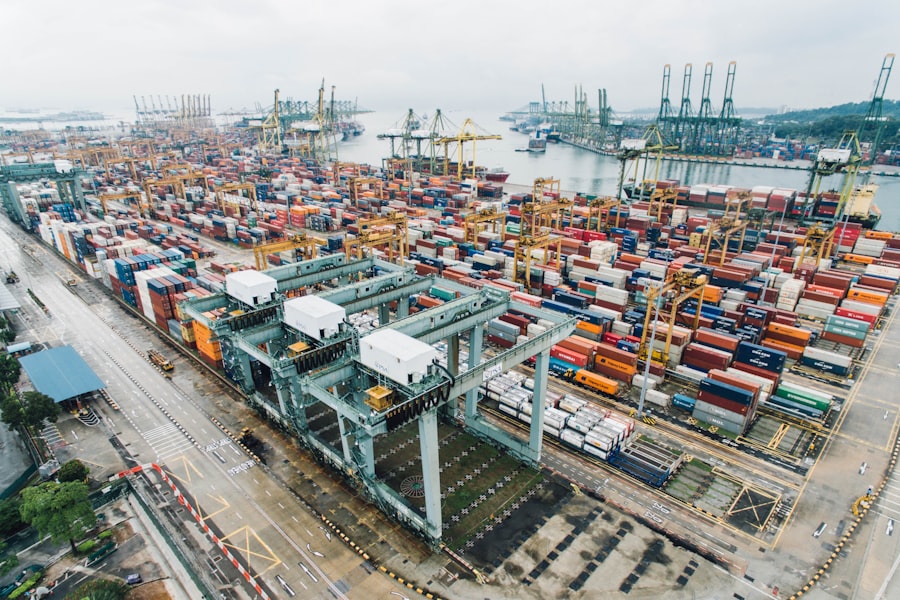
Hazardous cargo is among the most consequential aspects of port operations. Mishandled dangerous goods have caused catastrophic incidents at ports worldwide. PortVerse's Dangerous Goods Declaration module enforces International Maritime Dangerous Goods (IMDG) Code compliance at the point of submission, before the cargo ever arrives at the berth.
Every hazardous cargo declaration is validated against the full IMDG classification framework, checking UN numbers, packing groups, segregation requirements, and stowage compatibility automatically. Where an error or incompatibility is detected, the system flags it before submission, allowing the agent to correct it rather than discovering the problem at the terminal gate.
Built for Round-the-Clock Operations

IMDG Code Classification
All nine IMDG hazard classes supported: explosives, flammable liquids, toxic substances, radioactive material, and more, with UN number lookup and automatic class validation.

Segregation & Stowage Checks
Automatic verification that declared dangerous goods comply with IMDG segregation rules, incompatible cargo combinations flagged before vessel arrival, preventing dangerous co-stowage.

Emergency Response Documents
Emergency schedules and response documentation automatically generated from the DG declaration, providing terminal staff and emergency services with ready access to hazard data

Competent Authority Notification
Automatic notification to Port Health, terminal operators, and relevant regulatory bodies for specific dangerous goods categories requiring prior approval or special handling arrangements.

Pre-Arrival Validation
All DG declarations validated against IMDG requirements before submission are accepted; errors surfaced to the agent for correction rather than discovered on arrival at the terminal.

Incident-Ready Record
Complete DG declaration records are retained in an accessible, structured format, available to port authorities, emergency services, and insurers immediately in the event of an incident.
IMO FAL Convention Compliance
IMO Resolution FAL.12(46), adopted in 2023, mandates that all IMO member states establish a Maritime Single Window for electronic port formalities. Pakistan, as a signatory to the FAL Convention, is obligated to provide a fully compliant digital single window, and PortVerse is that implementation.
Compliance with the FAL Convention is not merely a regulatory obligation, it is a commercial signal. International shipping lines, major terminal operators, and freight forwarders assess port readiness before committing to trade routes. A fully FAL-compliant port is a more competitive port.
- Full alignment with IMO FAL Convention Annex requirements for maritime single windows
- Electronic submission of all standardized FAL forms as mandated by FAL.12(46)
- Secure, authenticated data exchange between government authorities on a common platform
- Audit trails and submission records meeting IMO evidentiary standards
- Regular system updates aligned with IMO FAL Committee decisions and amendments
- Interoperability with foreign port single windows for data exchange on international voyages